
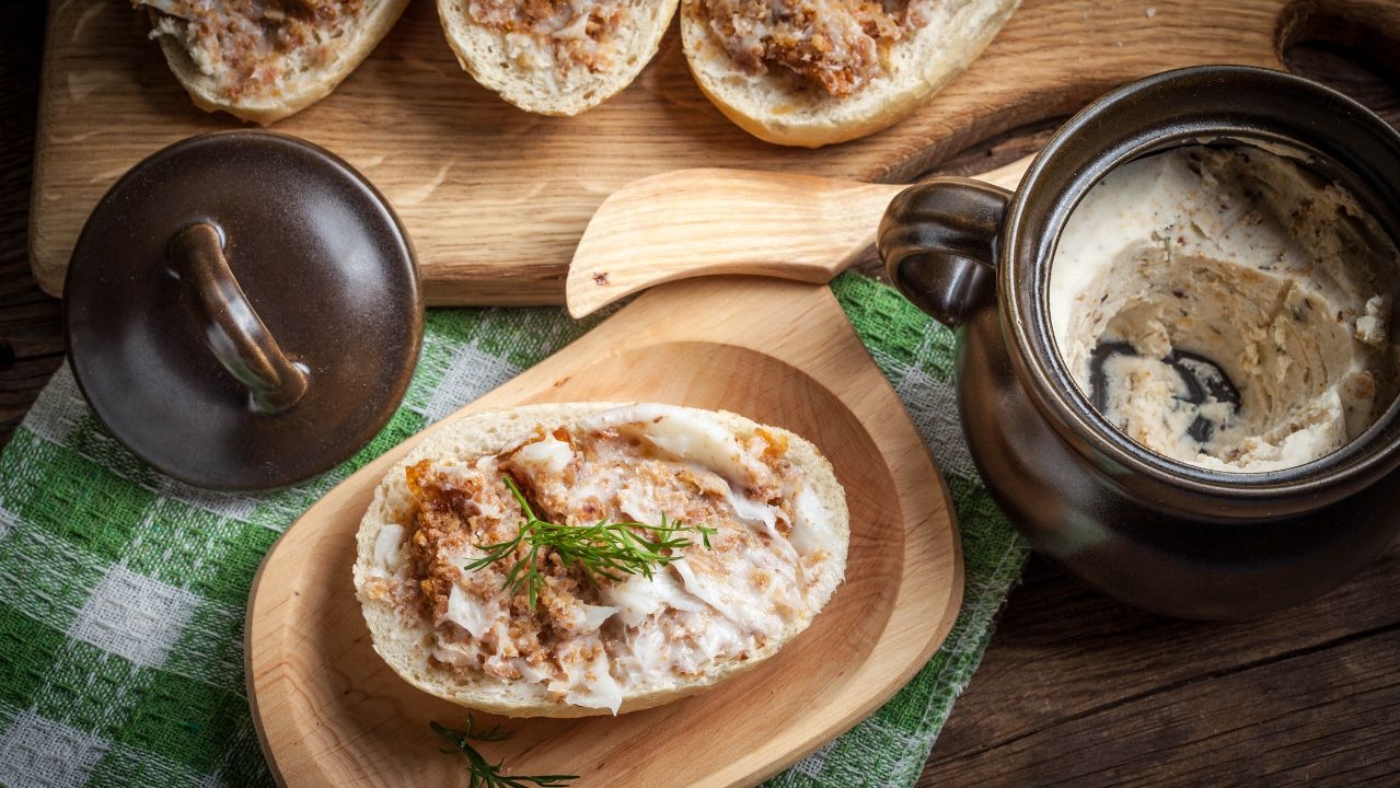
Lard, a traditional culinary fat, is experiencing a renaissance in the modern kitchen. Katolik Group, known for promoting healthy and conscious cooking, shows how lard can be used in modern recipes, while maintaining respect for tradition.
What is lard?
Lard is animal fat, usually obtained from pork. Its unique flavor and texture properties make it a valued ingredient in many traditional dishes.
Why is lard coming back into favor?
Rich flavor: Lard adds a depth of flavor to dishes that is often missing in modern vegetable oils.
High smoke point: Lard is ideal for frying and baking because it does not burn as easily as some vegetable oils.
Tradition and modernity: Modern kitchens increasingly use traditional ingredients, appreciating their naturalness and authenticity.
Uses of lard in modern cuisine
Frying: Lard is perfect for frying meat, fish and vegetables, giving them a flavour crunchy and rich flavor.
Baking: Used in cakes and breads, lard contributes to their fluffiness and tenderness.
Cooking: Added to soups and stews, adding depth of flavor.
Advice from Katolik Group
Choose high-quality lard: The best lard is natural, without additives and preservatives.
Use in moderation: Lard is a saturated fat, so it should be used in moderation.
Experiment with recipes: Lard can replace butter or oil in many traditional recipes, adding a unique character to them.
Storing lard
Lard should be stored in a cool, dry place or in the refrigerator to maintain its freshness and consistency.
Summary
Lard, although often associated with traditional cuisine, finds its place in modern cooking. Its unique flavor properties and texture can enrich many dishes, from classic to modern. Katolik Group encourages you to reduce this traditional ingredient, rediscovering its potential in… modern kitchen.