
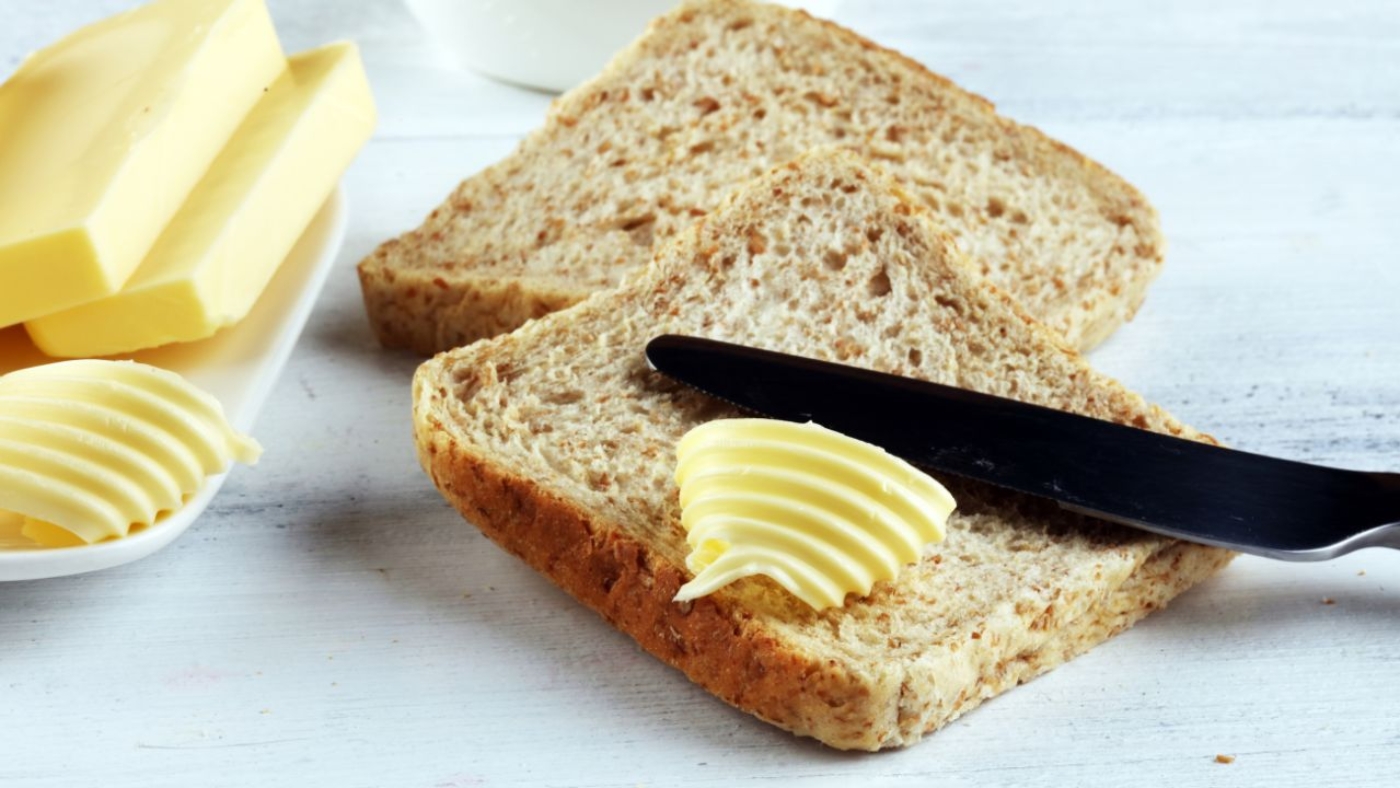
Often seen as an alternative to butter, margarine has gained popularity due to its versatility and health benefits. Katolik Group, a specialist in the field of food products, presents the benefits and applications of margarine in everyday cooking.
What is margarine?
Margarine is a food product that was created as a substitute for butter. It is made primarily from vegetable oils and contains less saturated fat than butter, making it a healthier option for many people.
Health benefits of margarine
Less saturated fat: Margarine contains less saturated fat than butter, which may help lower cholesterol levels.
Contains Omega-3 and Omega-6 fatty acids: Some types of margarine are enriched with omega-3 and omega-6 fatty acids, which are beneficial for the heart.
Vitamins A and D: Margarine is often enriched with vitamins A and D, which is an additional advantage.
Uses of margarine in the kitchen
Margarine can be used in many situations where butter is traditionally used:
Baking: Margarine can replace butter in most cake and cookie recipes.
Cooking: Perfect for sauces, casseroles and as an addition to vegetables.
Frying: Thanks to its higher smoke point than butter, margarine is suitable for frying.
Advice from Katolik Group
Choose margarine with low trans fat content: Make sure you choose margarine with minimal trans fat content.
Use margarine in moderation: Despite its health benefits, margarine should be consumed in moderation.
Experiment with different types: Different types of margarine may be better suited for different dishes.
Storing margarine
Margarine should be stored in the refrigerator to maintain its freshness and consistency.
Summary
Margarine offers a healthy and versatile alternative to butter. Thanks to its health benefits and variety of uses, it is an excellent choice for people who care about a healthy diet. Katolik Group encourages you to including margarine in everyday cooking as a tasty and healthy option.